

Your oil does more work in the kitchen than almost any other ingredient. Every sabzi, every tadka, every batch of pakoras depends on it. Yet most families give very little thought to how they store, heat, and use their cooking oil.
Some of these oil health mistakes are small habits passed down without question. Others come from simple unawareness. Either way, the good news is that they are easy to correct once you know what to look for.
Here are eleven common cooking oil mistakes and the healthy cooking tips to fix them.
Mistakes You Might Be Making Right Now
Wrong oil usage does not always look dramatic. It often shows up as a bottle stored in the wrong place, a pan heated a little too long, or an oil chosen for the wrong cooking method. Over time, these small missteps add up.
1. Reheating Oil Multiple Times
Every round of reheating breaks down the oil's structure, producing unwanted compounds. The more times oil is heated, the less stable it becomes. Use fresh oil for each frying session whenever possible. If you must reuse, limit it to once.
2. Storing Oil Next to the Stove
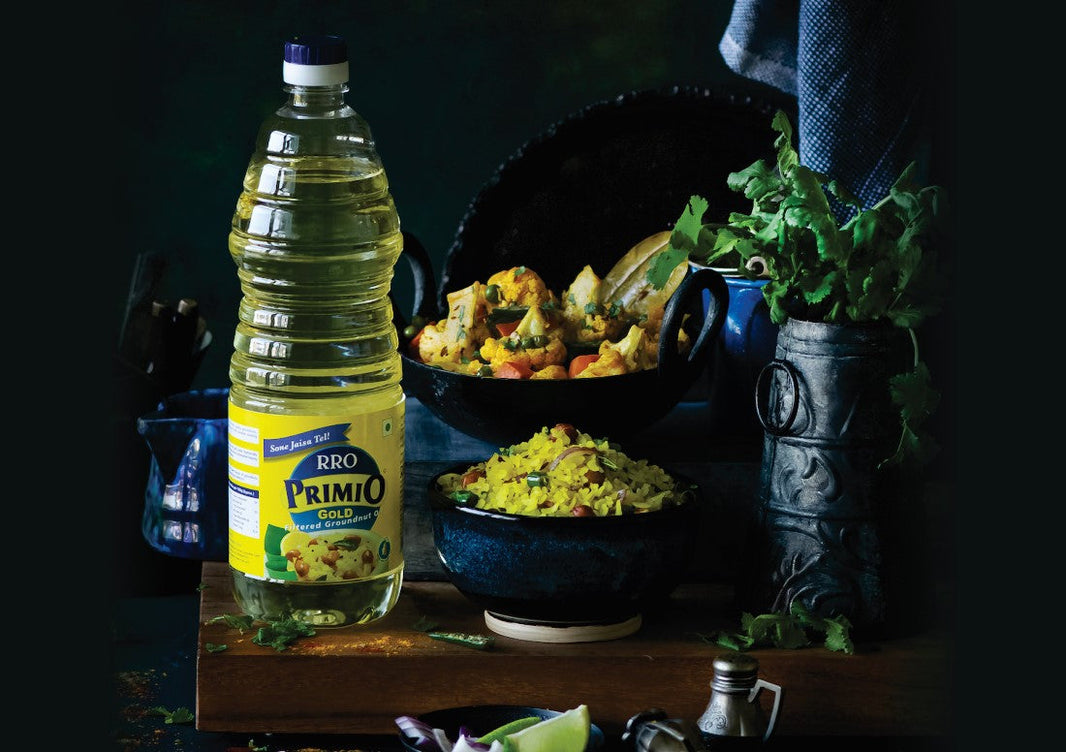
Heat accelerates oxidation even when the oil is not being used. Keeping your bottle of Primio Refined Groundnut Oil or any cooking oil in a cool, dark cupboard away from the stove extends its shelf life significantly.
3. Using the Wrong Oil for the Cooking Method
Not every oil suits every method. Cold-pressed sesame oil is a finishing oil, not ideal for deep frying. Mastdil Premium Mustard Oil handles high heat beautifully, while Cold-Pressed Sesame Oil is better suited to tempering and drizzling.
4. Ignoring the Smoke Point
When oil smokes in the pan, it is breaking down. Cooking past the smoke point creates off-flavours and may release harmful compounds. If you see smoke, lower the flame or switch to an oil with a higher tolerance.
5. Leaving the Lid Off the Bottle
Exposure to air causes oxidation, which gradually makes the oil rancid. Always seal the bottle tightly after each use. Oils from the Cold Pressed Oils range, which contain no chemical preservatives, benefit most from airtight storage.
6. Storing Oil in Clear Containers
Light degrades cooking oil over time. If you transfer oil from its original packaging, use a dark or opaque container. Avoid leaving oil on a sunny countertop or near a window.
7. Using One Oil for Everything
Different oils bring different fatty acid profiles. Rotating between two or three options, say Filtered Groundnut Oil for daily cooking and Cold-Pressed Mustard Oil for bold dishes, gives your diet a broader range of fats.
8. Overcrowding the Pan When Frying
Adding too much food at once drops the oil temperature sharply. The food absorbs more oil instead of crisping, leading to greasier results. Fry in small batches for lighter, cleaner outcomes.
9. Not Checking the Expiry Date
Oil does not last forever. Old oil tastes flat and may develop rancid compounds. Check the date on every bottle and use opened oil within a few months.
10. Mixing Old and Fresh Oil
Pouring fresh oil into a pan of leftover oil spreads degraded compounds into the new batch. If the old oil has already been used for frying, discard it before adding fresh oil.
11. Choosing Oil Solely by Price
The lowest-priced oil on the shelf is not always the wisest choice. Heavily refined or blended oils may lack the natural composition and flavour of quality alternatives. The RRO Oil collection, trusted since 1992, offers options across price points without compromising on quality.
Better Habits Start With Awareness
Most cooking oil mistakes are not about carelessness. They are about never having been told otherwise. A few simple corrections, storing oil properly, choosing the right oil for the right dish, and avoiding reheated oil, can make a real difference to the quality of your family's meals.
When your kitchen holds oils that are zero cholesterol and trans-fat free, like the RRO Oil range, the foundation is already strong. The habits you build around those oils take care of the rest.
Frequently Asked Questions
How many times can I safely reheat cooking oil?
Ideally, do not reheat oil at all. If you must, limit reuse to once. Discard oil that has turned dark, thick, or smells off.
Where is the best place to store cooking oil at home?
A cool, dark cupboard away from the stove, oven, and direct sunlight is ideal. Keep the bottle sealed tightly after every use.
Does using the wrong oil for cooking affect health?
Yes. Heating an oil past its smoke point degrades it and may produce unwanted compounds. Match the oil to the cooking method for safer results.
Should I use the same cooking oil for everything?
No. Rotating between two or three oils gives your diet a wider range of fatty acids and allows you to use each oil where it performs best.
How can I tell if my cooking oil has gone bad?
Rancid oil has a stale, unpleasant smell and a dull, flat taste. If the oil looks darker than usual or smells off, replace it.
Is expensive oil always better?
Not always, but price can reflect extraction quality and purity. Cold-pressed and traditionally extracted oils cost more because they yield less and involve greater care in production.


