

There is something deeply satisfying about a French fry that cracks when you bite into it. Golden on the outside, fluffy within, and still holding its crunch even after you have finished what is on the rest of your plate.
Most homemade fries lose that crispness before they reach the table. The problem is rarely the potato. A good homemade fries recipe comes down to three things: the right potato, the right oil, and a technique that lets the surface develop a proper crust.
Why the Double-Fry Method Works
Restaurant kitchens rely on the double-fry method for a reason. The first fry at moderate heat cooks the potato through. After cooling, the second fry at high heat builds a crisp, golden shell that holds its crunch for far longer than a single fry ever could.
Pair that with a vinegar-water blanch before frying, and you remove the excess surface sugars that cause browning before crispness has a chance to form. The vinegar also keeps the potato firm during blanching, preventing it from falling apart. Starch on the surface activates and, when it hits hot oil, creates that blistered, crunchy texture that restaurant-style fries are known for.
What You Need
The ingredient list is short, but each choice matters.
Potatoes
Starchy, floury potatoes are essential. Look for large, dry-textured potatoes with a pale flesh. Waxy varieties hold too much moisture and will not crisp the same way.
Oil
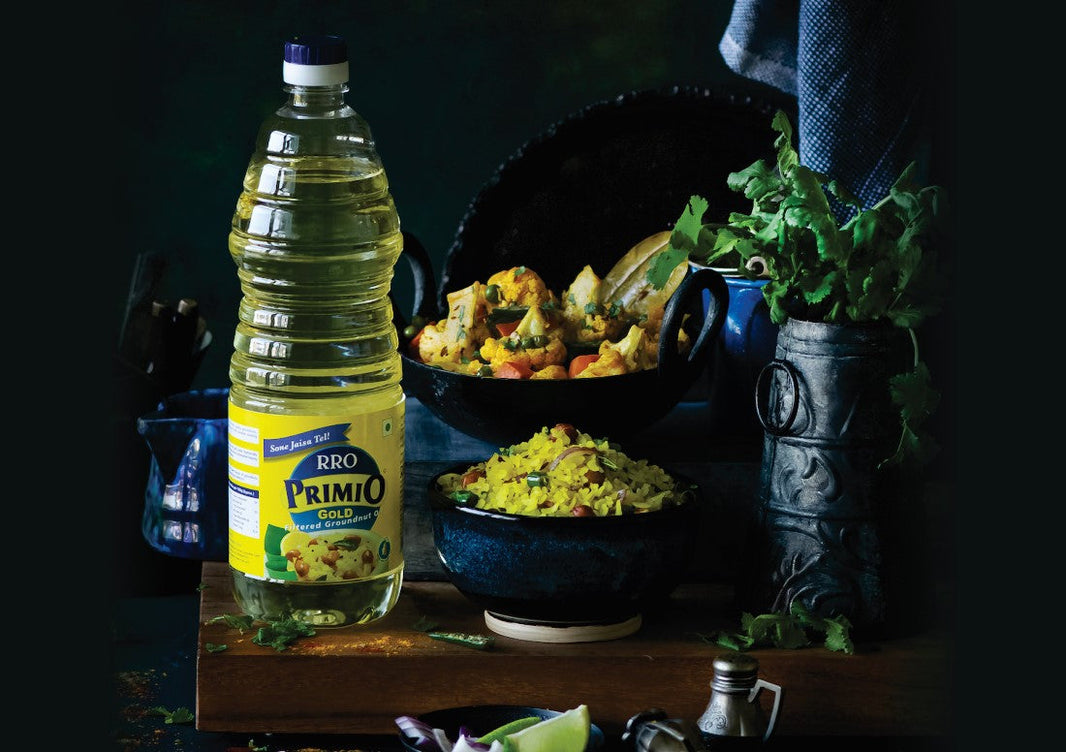
A neutral oil with a high smoke point is the right match. Primio Refined Groundnut Oil is an excellent choice, zero cholesterol and trans-fat free, with a mild nutty undertone that complements potatoes without overpowering them. Filtered Groundnut Oil works well too, bringing a slightly more pronounced peanut character.
The Rest
White vinegar (for the blanching water), cooking salt, and your favourite seasoning for finishing.
How to Make Crispy French Fries at Home
Follow these steps for potato fries at home that rival anything from a restaurant kitchen.
Step 1: Cut and Rinse
- Peel and cut potatoes into even batons, roughly 6 mm thick.
- Drop them into cold water as you work to prevent browning.
- Once cut, drain and rinse under running water for 15 to 20 seconds to wash away surface starch.
Step 2: Blanch in Vinegar Water
- Place rinsed fries in a pot of cold water with a tablespoon of white vinegar and a teaspoon of salt per litre.
- Bring to a boil, then lower the flame so the water barely simmers.
- Cook for 10 minutes. Remove carefully with a slotted spoon, spread on a tea towel, and let them steam-dry for five minutes.
Step 3: First Fry
- Pour Primio Refined Groundnut Oil into a heavy-bottomed pot to a depth of about 3 cm.
- Heat to 200 degrees Celsius.
- Add fries in small batches, cooking each for about 50 seconds.
- The fries will be pale and soft. Remove to a paper towel-lined tray and cool for at least 30 minutes.
Step 4: Second Fry
- Reheat the oil to 200 degrees Celsius.
- Fry the cooled potatoes in batches for 3 to 4 minutes until golden and deeply crisp.
- Remove, drain, and season immediately while hot.
Seasoning Ideas and Dipping Options
Salt or sea salt flakes work beautifully on their own. For a desi twist, try chaat masala with a pinch of chilli powder. A shaker-style blend of garlic powder, dried oregano, and paprika is equally addictive.
For dipping, warm Nacho Cheese straight from the pack, or stir minced garlic and lemon juice into Cream Cheese for a quick, creamy dip. Both come from the RRO Dairy range.
A Few Tips for Better Results
- Never crowd the pot. Overcrowding drops the oil temperature and leads to limp, oily fries.
- Freeze the fries after the first fry for an even fluffier interior. Fry from frozen for an extra minute during the second round.
- Groundnut oil from the RRO Oil collection can be reused three to four times. Cool and store in a sealed jar between uses.
- Cut with a serrated knife if you have one. The rougher surface creates more area to crisp up.
Worth Every Minute
Homemade crispy French fries take a little care. But the result, a golden baton that crunches through to a cloud of fluffy potato inside, is worth every one of those minutes. Pair them with a burger, serve alongside grilled paneer, or eat them straight from the tray with nothing but salt.
A good homemade fries recipe and the right oil are all it takes. The RRO Oil range, trusted since 1992, gives your kitchen the foundation to fry with confidence.
Frequently Asked Questions
What is the best oil for frying french fries?
A neutral oil with a high smoke point works best. Groundnut oil is a popular choice because of its stability at high temperatures and mild, complementary flavour.
Why do my homemade fries turn out soggy?
Soggy fries usually result from excess surface moisture, oil that is not hot enough, or overcrowding the pot. Blanching, thorough drying, and frying in small batches solve all three.
What is the double-fry method?
The double-fry method fries the potatoes twice. The first round at moderate heat cooks the interior. After cooling, the second round at higher heat builds a crisp, golden crust.
Can I make potato fries at home without deep frying?
Yes. Oven-baked fries tossed in a little oil and roasted at 200 degrees Celsius are a lighter option. Air fryers also produce good results, though the texture will differ slightly.
Why add vinegar to the blanching water?
Vinegar keeps the potatoes firm during blanching, preventing them from breaking apart. It also supports the starch activation process that creates a crunchier surface when fried.
How do I keep fries crispy after cooking?
Season and serve immediately after the second fry. If cooking in batches, keep finished fries warm on a wire rack in a low oven. The vinegar-blanch and double-fry technique helps fries hold their crunch far longer than traditional methods.


