

Your heart works every second of every day. The least you can do is feed it well. And one of the simplest ways to do that starts with the oil in your kitchen. Mustard oil, the same sarson ka tel your grandmother swore by, has been quietly earning its place in conversations about heart-healthy cooking.
But is sarson ka tel good for heart health, or is that just nostalgia talking? Nutrition science and expert opinion suggest the answer is far more promising than many people realise.
Read More: 11 Best Cooking Oils for Heart Health Recommended by Nutritionists
Why Your Cooking Oil Matters for Heart Health
The oil you cook with becomes part of every meal your family eats. Over months and years, it shapes your cholesterol levels, your blood pressure, and the overall health of your cardiovascular system.
Oils high in saturated fats and trans fats can raise LDL, the type of cholesterol linked to plaque build-up in arteries. Conversely, oils rich in monounsaturated and polyunsaturated fatty acids can help maintain healthier cholesterol levels. This is where mustard oil enters the picture.

What Makes an Oil Heart-Healthy?
The best oil for heart health in India should have three qualities:
- High in monounsaturated fatty acids (good fats)
- A favourable ratio of Omega-3 to Omega-6 fatty acids
- Zero cholesterol and trans-fat free
Mustard oil ticks all three boxes.
[[product:cold-pressed-mustard-oil]]
Mustard Oil Cardiovascular Benefits
Mustard oil's cardiovascular benefits come from its natural fat composition. It is rich in monounsaturated fatty acids, which are widely recognised for their role in supporting heart function. It also contains Omega-3 and Omega-6 fatty acids, both of which are linked to reduced inflammation and improved lipid profiles.

How Mustard Oil Omega-3 Heart Support Works
Omega-3 fatty acids are considered essential because your body cannot produce them on its own. They must come from your diet. Mustard oil omega-3 heart benefits include supporting healthy blood flow and helping to keep blood vessels flexible.
Mastdil Premium Mustard Oil, obtained from the first cold pressing of premium mustard seeds, is naturally rich in Omega-3 and Omega-6. Its sharp, pungent aroma is a hallmark of quality, and its nutrient profile makes it a strong choice for everyday cooking.
Does Mustard Oil Reduce LDL?
Monounsaturated fats help the body manage its cholesterol balance. When you replace oils high in saturated fats with ones rich in monounsaturated fats, your body is better equipped to maintain healthy LDL levels. While no single oil can serve as a remedy, mustard oil reduces LDL risk as part of a balanced, mindful diet.
Cold-Pressed Mustard Oil from RRO retains these good fats in their most natural form. It is zero cholesterol and trans-fat free, making it a clean, reliable cooking medium for heart-conscious families.
Read More: Mustard Oil, LDL, And HDL: Understanding Cholesterol The Simple Way
Is Sarson Ka Tel Good for Heart Health?
Is sarson ka tel good for heart health? The evidence points clearly in that direction. The Lipid Association of India has recommended mustard oil as a heart-healthy cooking medium, alongside options like olive oil and canola oil.
What makes mustard oil particularly relevant for Indian kitchens is its versatility. It handles high heat well, making it suitable for tadkas, stir-fries, and even light frying. Its strong flavour enhances dishes without needing excess quantities, which naturally keeps your oil intake in check.
Cardiologist Recommended Oil India Trusts
When nutrition experts and cardiologists discuss the best oils for heart health, the focus is always on fat quality. A cardiologist recommended oil that India can rely on should be:
- Low in saturated fats
- Free from trans fats and cholesterol
- Rich in Omega-3 and monounsaturated fatty acids
- Minimally processed to retain natural nutrients
Cold-pressed oils consistently meet these criteria. The Cold-Pressed Oils collection from RRO includes mustard, groundnut, sesame, and coconut, each extracted without heat or chemicals to preserve their natural goodness.
Other Heart-Friendly Oils to Consider
While mustard oil is an excellent choice, rotating your oils adds nutritional variety. Consider these alongside your sarson tel:
- Cold-Pressed Groundnut Oil: Rich in monounsaturated fats with a naturally sweet flavour. Ideal for everyday cooking and deep frying.
- Cold-Pressed Sesame Oil: Aromatic, nutty, and packed with good fats. Perfect for tempering, dals, and salad dressings.
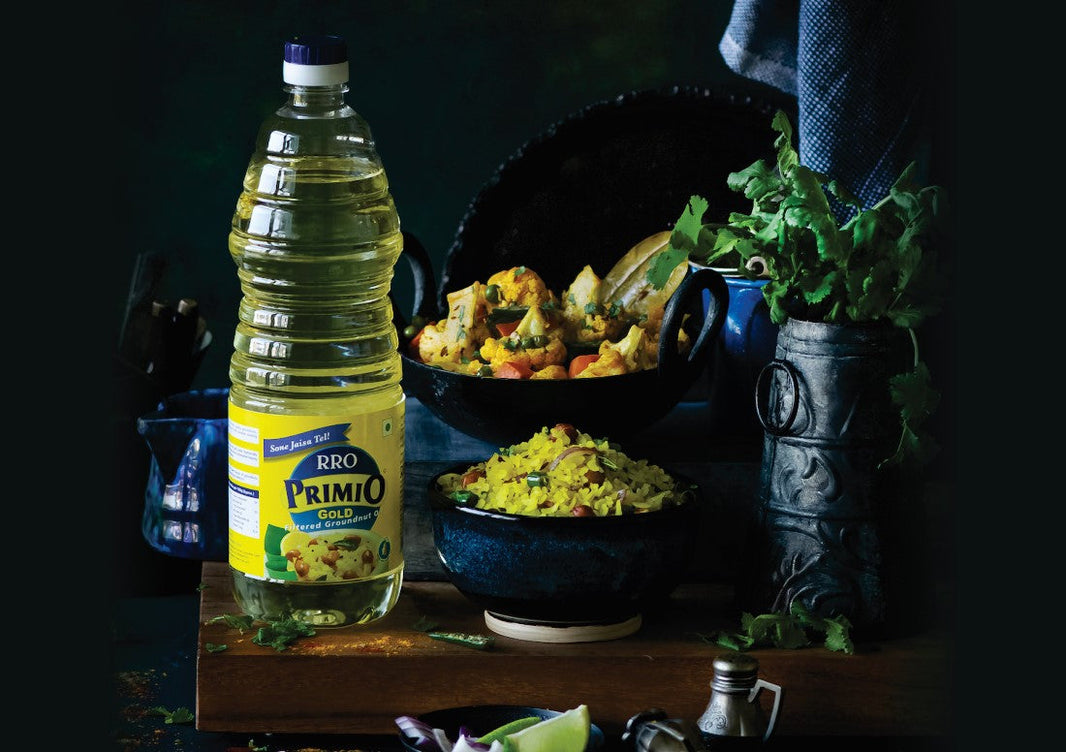
- Filtered Groundnut Oil: A completely natural oil that enhances the flavour of food while supporting healthy cholesterol levels.
Simple Habits for a Healthier Heart
Choosing the right oil is one part of a larger picture. Here are a few small, everyday habits that support your heart alongside your cooking choices:
- Use one to two tablespoons of oil per meal
- Avoid reusing cooking oil multiple times
- Pair your meals with fibre-rich vegetables, whole grains, and lean protein
- Reduce your intake of fried and heavily processed foods
- Stay active with regular walks or light exercise
Your heart does not need perfection. It needs consistency. Small, sustainable choices in the kitchen add up over time.
Read More: Mustard Oil Calories, Fat, And Vitamins: Nutrition Facts Decoded
A Trusted Companion for Your Heart
Mustard oil has been part of Indian kitchens for generations, and for good reason. Its natural composition of good fats, Omega-3, and zero cholesterol makes it one of the best oils for heart health India can turn to, especially when sourced cold-pressed and free from chemical refining.
The flavour of a well-made tadka in sarson ka tel is not just about taste. It is about a tradition of nourishment that modern nutrition science is now catching up with. Explore the full RRO Oil collection to bring that tradition home.
Frequently Asked Questions
Is Mustard Oil Better Than Olive Oil for the Heart?
Both oils are heart-friendly and rich in monounsaturated fats. Mustard oil has a higher smoke point, making it more suited for Indian cooking methods like frying and tempering. The best approach is to use both as part of a varied diet.
How Much Mustard Oil Should I Use Daily for Heart Health?
One to two tablespoons per meal is a sensible guideline. Moderation is important, even with healthy oils. Pair it with a balanced diet and regular physical activity for the best results.
Can Mustard Oil Help Lower Cholesterol?
Mustard oil is rich in monounsaturated fats that support healthy LDL cholesterol levels when used as a replacement for oils higher in saturated fats. It is not a replacement for medical advice, but it is a smart dietary choice.
Is Cold-Pressed Mustard Oil Better for the Heart Than Refined Mustard Oil?
Cold-pressed oil retains more of the seed's natural nutrients and good fats because it is extracted without heat or chemicals. For heart-conscious families, cold-pressed is the better option.
Why Do Cardiologists Recommend Mustard Oil?
Mustard oil offers a balanced fat profile, including monounsaturated fatty acids and Omega-3. It is zero cholesterol and trans-fat free, aligning with the dietary principles that cardiologists recommend for heart health.
Can I Cook All My Meals in Mustard Oil?
You can use mustard oil for most Indian dishes. However, rotating with other cold-pressed oils like groundnut, sesame, or coconut gives your body a broader range of nutrients and keeps meals varied.


